Stop Food Waste Day: From Waste to Worth in South Africa
2026 / 04 / 28
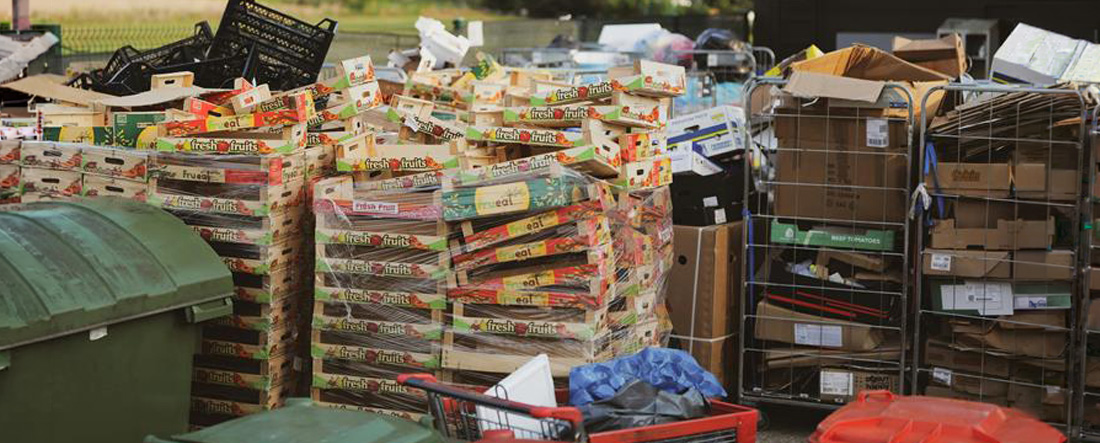
Each year, the country wastes approximately 10 million tonnes of food—around one-third of all food produced—at a cost exceeding R60 billion to the economy. According to the Council for Scientific and Industrial Research, this occurs in a context where millions of South Africans still face food insecurity.
On 29 April, Stop Food Waste Day, the global focus is clear: prevent waste, inspire change, and repurpose what we already have.
In South Africa, this message carries particular urgency.
Each year, the country wastes approximately 10 million tonnes of food—around one-third of all food produced—at a cost exceeding R60 billion to the economy. According to the Council for Scientific and Industrial Research, this occurs in a context where millions of South Africans still face food insecurity.
This is more than a sustainability issue. It is a systemic inefficiency across the food value chain—with economic, environmental, and social consequences.
Food Waste Is Lost Value.
Food waste represents:
- Lost water, energy, and land resources
- Avoidable operational inefficiencies
- A significant climate impact, as organic waste in landfill generates methane gas
For businesses, this translates into hidden costs—from overproduction and spoilage to disposal and compliance.
The critical question is:
How much value is your business losing through food waste—and where does it occur?
From Disposal to Resource Recovery
Stop Food Waste Day’s theme—prevent, inspire, repurpose—aligns with a broader shift toward a circular economy, where waste is no longer an endpoint but a resource.
At EnviroServ, this shift is already underway.
Through improved separation at source and on-site waste management, organic waste streams—such as dough waste from food manufacturing—can be:
- Cleanly segregated
- Efficiently collected
- Repurposed into nutrient-rich livestock feed
This creates tangible value:
- Reduced disposal and transport costs
- Secondary use in local agricultural systems
- Diversion of organic waste from landfill
However, dough waste is only one example. The real opportunity lies in addressing systemic food waste across production, retail, and consumption.
A Call to Action
Reducing food waste requires behaviour change and accountability.
For businesses:
- Measure and track food waste
- Identify inefficiencies across operations
- Partner to unlock circular solutions
For individuals:
- Plan consumption more carefully
- Store food effectively
- Reduce avoidable waste
South Africa cannot afford to waste what it does not have. Food waste is not just an environmental issue—it is a direct reflection of inefficiencies in how we produce, distribute and consume resources. The opportunity lies in shifting our mindset from disposal to value creation, where waste becomes an input into new, circular systems that benefit both the economy and society.
From Waste to Worth
A linear “take–make–dispose” model is no longer viable—particularly in a resource-constrained economy like South Africa.
Reducing food waste is:
- A business efficiency imperative
- A climate action priority
- A social responsibility
At EnviroServ, we believe waste should never be the end of the story—it should be the start of a new value chain.
This Stop Food Waste Day, the challenge is simple:
Move beyond awareness—towards action, accountability, and impact.